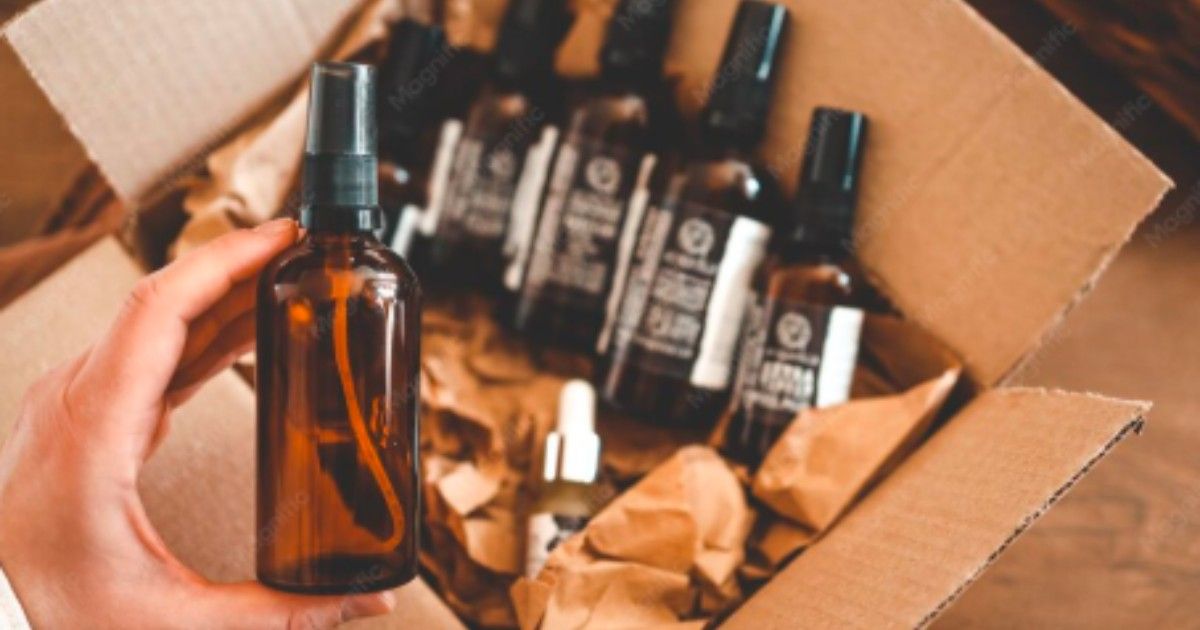

For fragrance brands shipping perfume regularly, dangerous goods compliance isn’t a one-off check — it’s a process that needs to be right every single time. Most finished perfumes and colognes contain alcohol or other flammable solvents, which can classify them as Class 3 flammable liquid dangerous goods, commonly under UN 1266. This guide is a practical compliance checklist for operations teams, not just a general explainer — for the full introduction to how and why perfume gets classified this way, see our guide to shipping perfume internationally.
Is Perfume Dangerous Goods?
Not automatically, and not every perfume is classified the same way. Classification depends on the finished product’s actual formulation — alcohol content, flash point and other properties — not the product name or category. The correct starting point is always the Safety Data Sheet for the specific product being shipped, not an assumption based on similar products.
The IATA Dangerous Goods Regulations
Perfume shipped by air is generally subject to the IATA Dangerous Goods Regulations, which cover classification, packing, labelling, marking and documentation for air transport. IATA updates these regulations annually, so brands shipping regularly need a process for staying current rather than relying on rules from a previous year.
Packing Groups and Why They Matter
Within Class 3 flammable liquids, products are assigned a packing group based on their level of hazard, which affects the packaging standard required and, in some cases, the maximum quantity permitted per package. Two perfumes with different alcohol concentrations or flash points can fall into different packing groups, so this needs to be confirmed per product rather than assumed across a whole range.
Limited Quantity vs Fully Regulated Dangerous Goods
Some smaller quantities of dangerous goods can qualify for limited quantity provisions, which carry reduced (but not zero) packaging and documentation requirements compared with fully regulated dangerous goods shipments. Whether a shipment qualifies depends on the packing group, the quantity per inner and outer packaging, and the transport mode. This is a common area of confusion — limited quantity still means the product is dangerous goods, just with a lighter-touch process, not an exemption from the rules altogether.
A Practical Pre-Shipment Compliance Checklist
- Safety Data Sheet on file for the exact product being shipped
- UN number and packing group confirmed from the SDS, not assumed
- Correct classification confirmed for the transport mode (air, road or sea can differ)
- Compliant inner and outer packaging used, with leak containment where required
- Correct hazard labels and markings applied — and only the ones actually required
- Dangerous goods declaration prepared, if the shipment requires one
- Commercial invoice and customs description accurate and specific, not vague
- Correct commodity/HS code identified for the shipment
- Carrier confirmed to accept the product on the specific route being used
- Destination country’s import and customs requirements checked separately from UK/origin rules
Common Compliance Mistakes Brands Make
The most frequent mistake is assuming every perfume in a range shares the same classification, when different formulations can have different alcohol content, flash points and packing groups. Another common issue is using outdated regulatory information, since IATA rules are revised annually. Vague customs descriptions (“beauty products” instead of a clear, accurate description) and missing or incorrect dangerous goods declarations are also frequent causes of delays, rejected shipments or customs holds.
Who’s Responsible for Compliance — You or Your Courier?
Ultimately, the shipper is responsible for correctly classifying, packaging, labelling and declaring a dangerous goods shipment, even when a courier or fulfilment partner is handling the logistics. A good carrier or 3PL will build compliance into the process, but it’s worth understanding your own obligations rather than assuming it’s entirely someone else’s responsibility if something goes wrong.
How Ship Perfume Handles Compliance For You
This is exactly the process we built Ship Perfume around. As a licensed dangerous goods courier and fragrance 3PL, we manage classification checks, compliant packaging, labelling, documentation and carrier approval as a standard part of the service — not an added extra. See our services page for the full breakdown, or our fragrance 3PL and fulfilment guide for how compliance fits alongside warehousing and dispatch.
Frequently Asked Questions
Do I need a dangerous goods declaration for every perfume shipment?
Not necessarily — it depends on the product’s classification, packing group, quantity and transport mode. Some limited quantity shipments carry reduced documentation requirements, but this should be confirmed per shipment rather than assumed.
What packing group is perfume?
It depends on the specific product’s alcohol content and flash point. Different perfumes can fall into different packing groups, so this should be confirmed from the Safety Data Sheet for each product rather than applied generically across a range.
Is compliance different for air, road and sea shipments?
Yes. Air shipments generally follow the IATA Dangerous Goods Regulations, while road and sea transport follow their own separate sets of dangerous goods rules. A product’s classification is broadly consistent, but the specific packaging, documentation and labelling requirements can differ by transport mode.
Need compliance handled for you rather than managed in-house? Get in touch to talk through your product range.